
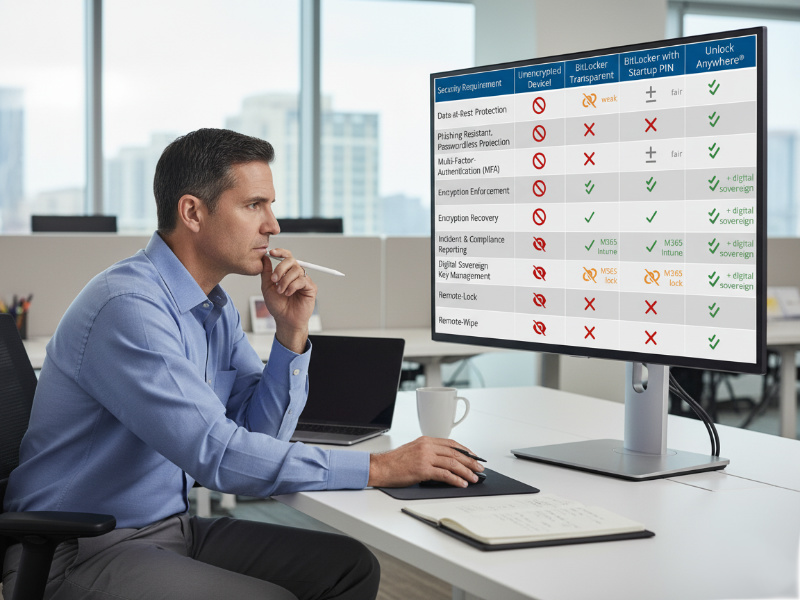
The concept of "Harvest Now, Decrypt Later" (HNDL), also known as retrospective decryption, poses a unique and long-term threat to stolen hardware, including Windows devices. To mitigate HNDL risks on Windows today, ensure you are using AES-256 (instead of 128) and consider using a pre-boot PIN. This adds a layer of complexity that makes simple automated "harvesting" much more difficult for a thief.
There is no excerpt because this is a protected post.
In today's digital economy, a company’s most valuable — and most vulnerable — asset is its customer data. The shift to remote work and cloud-connected systems has left the traditional password as a dangerously weak shield, creating a single point of failure that hackers relentlessly target.
In today’s globalized business environment, international travel is often essential. However, traveling to countries with questionable cybersecurity practices or authoritarian regimes poses significant risks to company data. Executives, IT professionals, and employees must be aware of these threats and take proactive steps to protect sensitive information.
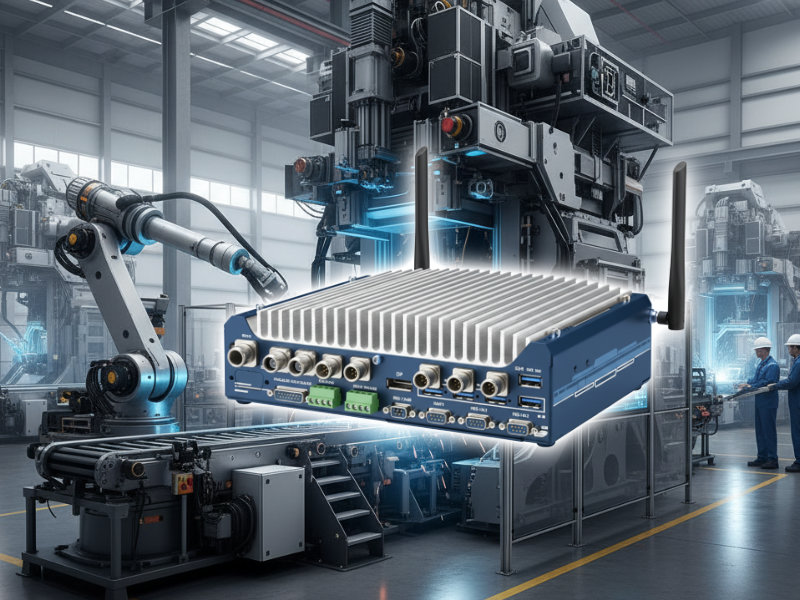
Industrial PCs (IPCs) require encryption and multi-factor authentication (MFA) for much more critical reasons than standard office PCs—they are the digital bridge to the physical world, controlling machinery, power grids, water treatment, and manufacturing lines. The primary reasons are Protecting Operations, Data Integrity, and Regulatory Compliance.
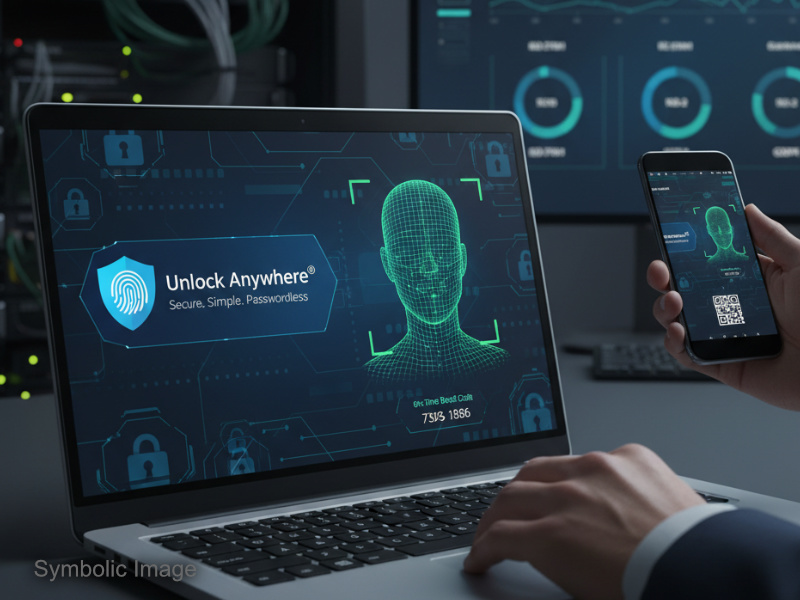
Unlock Anywhere® locks your device before the boot process begins — blocking attackers long before Windows or any external media can even load. By integrating seamlessly with UEFI and BitLocker encryption, it delivers powerful pre-boot protection that secures everything on your Windows device: emails, company data, credentials, and personal information. Unlike traditional security tools that activate only after startup, this proactive defense stops even the most sophisticated evil maid attacks — ensuring your data stays safe, always.
The loss of a company notebook containing sensitive data is considered a major security incident because the consequences extend far beyond the cost of replacing the hardware. It is critical because a lost notebook instantly creates a data breach that can compromise the company's finances, reputation, legal standing, and future business viability.




© 2022 - 2026 • Unlock Anywhere is a Product Developed by CPSD • All Rights Reserved